Work windows, not guesses
Find the hours when a job can be finished within the work schedule, and move deferrable work into them.
Crew Thermal Safety · for field crews in extreme cold and heat
Crew Thermal Safety turns the forecast into crew-level work windows, rotation plans and a record of every decision, through winter cold and summer heat in one place.
Photo: Glacier National Park / NPS, public domain
The problem
A forecast says how cold or hot it will be. A supervisor needs to know how long a crew can keep working.
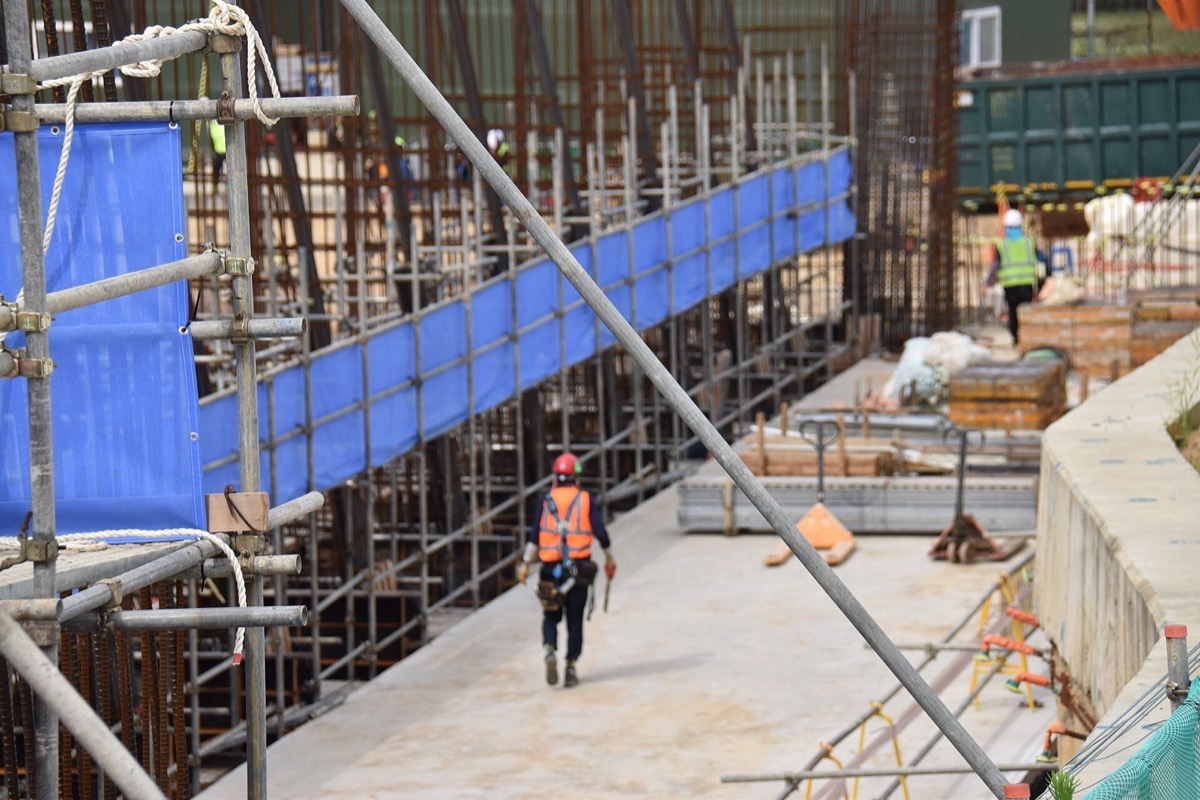
In extreme cold or heat, crews need warm-up or cool-down breaks, relief crews and shorter tasks, often exactly when demand for field work peaks. Those calls are usually made hour by hour on the day.
Business value
Find the hours when a job can be finished within the work schedule, and move deferrable work into them.
Plan warm-up or cool-down rotations, relief crews and staging before conditions arrive, with a clear decision deadline.
Alerts, acknowledgements and decisions are kept in a tamper-evident log, with reports ready for safety and operations reviews.
How it works
The measure and the schedule change between cold and heat. Everything after them is shared.
Forecast, official alerts and station observations.
Wind chill in the cold, heat index in the heat, per area and hour.
Your tiers, from normal to stop work. Official warnings raise the floor.
Work and warm-up, or work and rest, from published guidance and your own program.
One crew or a relief rotation, based on how long the task takes.
The best hours for each job, and when the decision has to be made.
Every alert, acknowledgement and decision, kept for review.
What changes for your teams
Your written program followed on every shift, decided before the cold or heat arrives.
Deferrable work moved into workable hours, and relief crews planned before they are needed.
A task-specific plan for the shift, and a clear signal when conditions change.
The crew-hours and service trade-offs of an extreme-weather day, and the record behind each call.