See every site at once
An hourly heat view and trigger state for each site, across the whole portfolio, on one map.
Workplace Heat Readiness · for employers and risk engineers
Workplace Heat Readiness shows each site's heat risk hour by hour, alerts the right people before a heat trigger is reached, tracks who acknowledged the plan, and keeps the evidence ready for review.
Photo: NIOSH, public domain
The problem
A heat advisory covers a whole region. A heat plan has to work for one site and one shift.
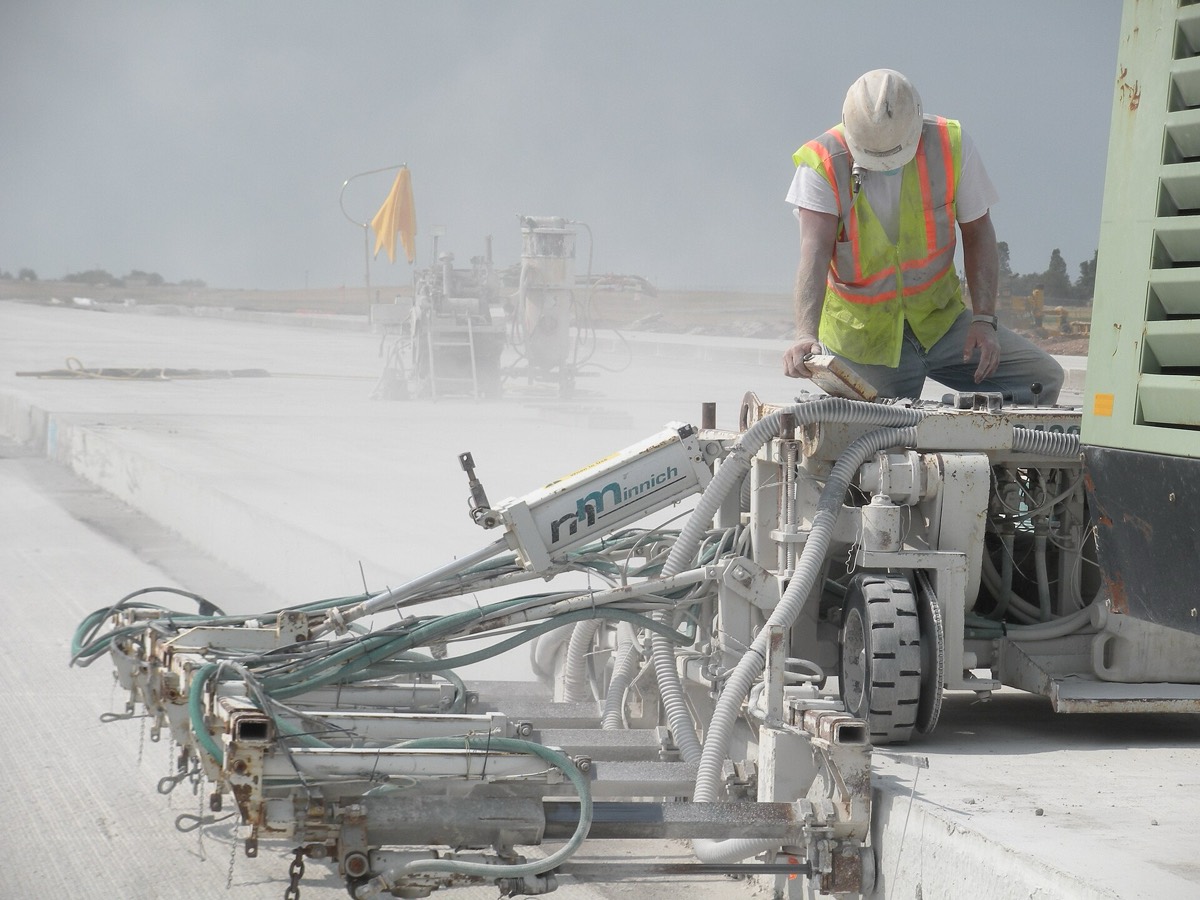
Sites across a portfolio feel the same forecast differently. Safety teams need to know which sites will cross a heat trigger, at what hour, and whether the planned controls actually happened.
Business value
An hourly heat view and trigger state for each site, across the whole portfolio, on one map.
The right people are alerted ahead of each trigger, and every acknowledgement is recorded with who and when.
Tamper-evident exposure and action records, turned into reports for safety reviews and underwriting.
How it works
Each site moves through the same steps, so every heat day is handled and documented the same way.
Forecast and official heat alerts for each site's location.
Heat index for each site, hour by hour.
Your program's heat triggers, applied the same way at every site.
The controls and schedule changes each hour calls for.
The site's responsible people, told before the trigger.
Who confirmed the plan, and when.
A tamper-evident record, turned into review-ready reports.
What each role gets
One heat program applied consistently across every site, with triggers set ahead of the event.
A clear plan for today's shift, and an alert that asks for confirmation.
Which sites are affected, when, and whether each one followed the plan.
A portfolio view of insured locations and how each heat event was handled.