Prepare for cold nights and finish outdoor work while the weather is dry.Protect exposed systems from cold nights, then use the expected dry spell for Chicago outdoor work. Check West Coast travel separately.
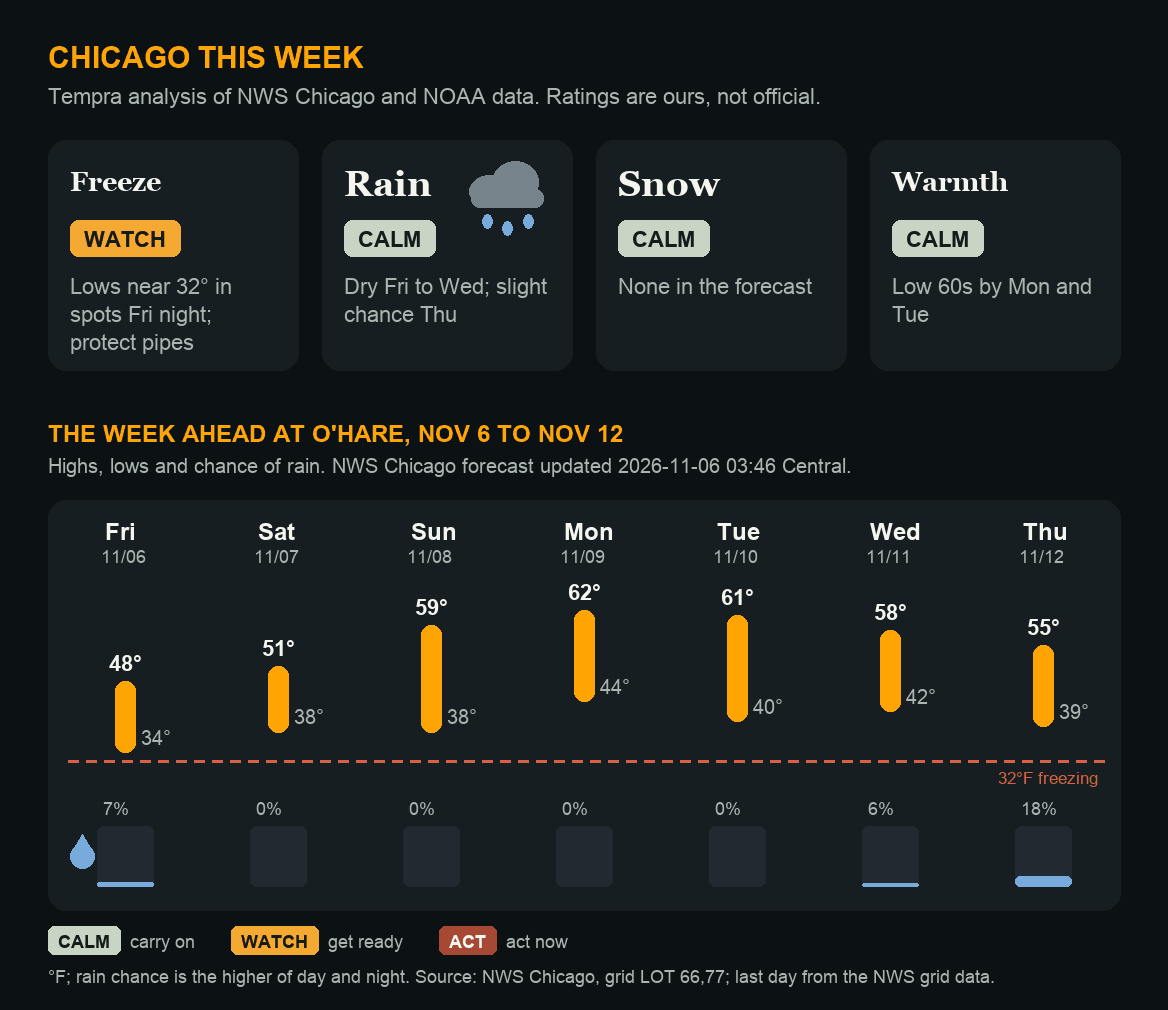
How to prepare this weekProtect outdoor pipes and equipment before temperatures fall. Check the overnight forecast for your location from tonight through Sunday night. Protect exposed water lines and equipment if temperatures could fall below freezing. Use the dry days to complete outdoor maintenance. NWS Chicago forecasts dry weather from Saturday through Tuesday. Consider scheduling repairs and leaf cleanup during this period, after checking conditions at your site. Check the forecast before work begins. Before starting work, check the hourly forecast and the temperature requirements for any concrete, paint or sealant you plan to use. Preparing your propertyCheck what needs protection before the cold nights arrive. The National Weather Service expects cold nights in parts of the Chicago region, followed by milder days. Outdoor work may be easier during the dry weather, but some materials also need temperatures to remain above a specified level overnight. Start with exposed water lines, irrigation, equipment and materials left outdoors. Then prioritize roof, gutter and drain work, exterior repairs and grounds maintenance. Check the forecast for your own location. NWS forecasts a low of 34°F at O'Hare tonight. Other parts of the region may fall below freezing, so conditions at the airport may differ from those at your property. Cold nights may continue through Sunday night. The local forecastTemperatures should rise during the day, but nights will remain cooler. The O'Hare forecast shows no rain from Saturday through Tuesday, little chance on Wednesday, Veterans Day, and a slight chance of rain on Thursday. Check the latest forecast before arranging outdoor work because the forecast can change.
A quick site walkCheck these four areas before the cold nights.
For concrete, coatings and sealants, follow the product's temperature and curing requirements. A dry afternoon alone does not make the job suitable. What it means for your organizationChoose outdoor jobs that can be completed during the dry weather.
Before rescheduling a job, agree on the weather conditions it requires, who will approve the work and when that decision must be made. Chicago communitiesClear leaves from drains to help reduce flooding during rain and snowmelt.
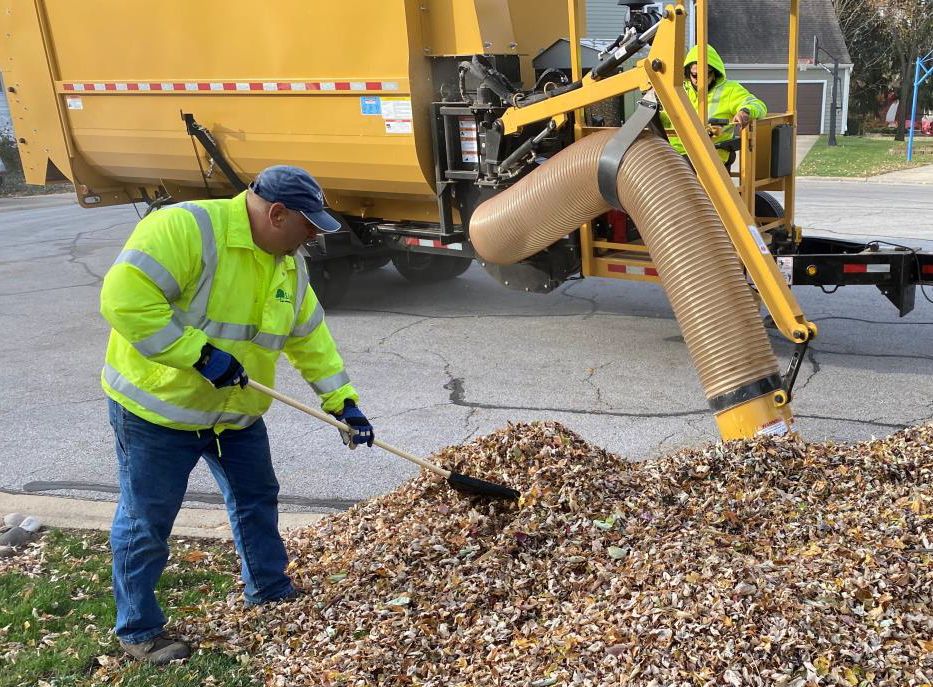
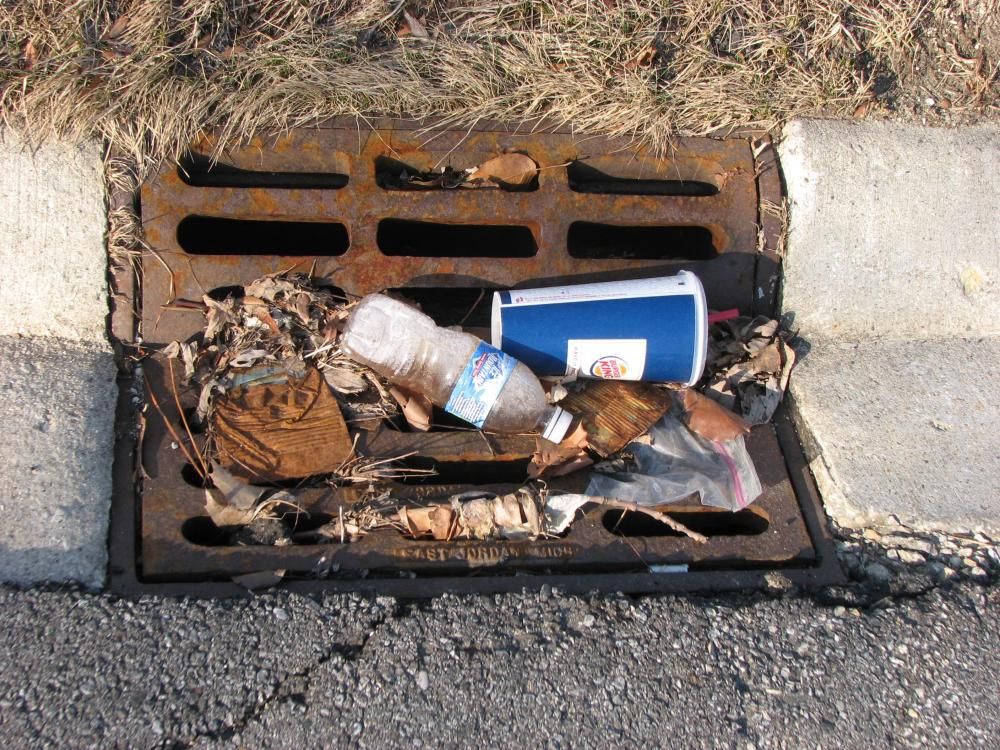
Leaves that collect over a street drain can stop water from entering it. Rainwater or melting snow can then collect on streets and near entrances. Clearing the drain opening can help reduce this local flooding risk. The City of Chicago coordinates bagged leaf collection to help residents clear yards, parkways and storm drains of leaf debris, and catch basins full of debris can be reported for cleaning. This matters in winter too: MWRD advises keeping storm drains clear during snowmelt, because frozen ground cannot absorb the water. What property managers and community organizations can do. Ask maintenance staff to check accessible drain openings, entrances and walkways for leaves. Remove surface debris only where it is safe. Catch basins on private property are the owner's responsibility. If a drain is underwater, do not try to clear it. In Chicago, report blocked drains and flooding through 311; elsewhere, call your local public works department. Follow your municipality's collection instructions. For example, Lisle's program tells residents to place loose leaves near the curb on the grassy strip beside the road, rather than in the street, on sidewalks or in ditches. Readers elsewhere should check their own municipality's rules. These are published seasonal maintenance recommendations, not a new flood warning. The photographs illustrate the work and the drainage problem; they do not announce an advisory for this week. Beyond Chicago: travel and deliveriesCheck the West Coast forecast before arranging travel or deliveries. NOAA's latest hazards outlook indicates a risk of heavy rain, coastal wind and mountain snow in parts of Washington, Oregon and California around November 13 to 15. Conditions will vary by location, and the outlook may change.
Check with your airline or carrier for any confirmed delays or closures. Next issueOur next issue will look at what the climate talks could mean for Chicago businesses. COP31 takes place in Antalya, Türkiye, November 9 to 20. We plan to look at which developments could matter for Chicago businesses, alongside the next NOAA climate update. What decision are you watching? Reply with details of an outdoor job, delivery or event, including the location and date. We'll help you identify the forecast information that matters for your plans. Forecast values come from the latest NWS and NOAA forecasts available when this issue was finalized; check the latest forecast before acting. The business actions are Tempra's interpretation, not official agency ratings. Follow official warnings, site procedures and product specifications. Forecast and outlook data come from NOAA and the National Weather Service; maintenance guidance from the City of Chicago, MWRD and the Villages of Bloomingdale and Lisle.
Got this from someone else? Subscribe Tempra Signal is the weekly newsletter from Tempra Labs, a Chicago-based climate and weather intelligence company. Follow us: LinkedIn · tempralabs.ai Tempra Labs Inc. | contact@tempralabs.ai |

 LinkedIn
 Facebook
 X
 Forward